Tax Prep Myths for Freelancers and Creative Entrepreneurs

Let’s be honest: taxes probably aren’t at the top of your list when you’re busy creating, designing, and running your business. As someone who works with freelancers and creative entrepreneurs daily, I know how overwhelming tax prep can feel. But here’s the deal—understanding a few key things now can save you loads of stress and confusion later. Whether you’ve been freelancing for years or just started your creative business, busting some common myths about taxes for freelancers will help you feel more in control.
Why Small Business Tax Planning Matters
First up, let’s address the elephant in the room: planning. A lot of people think tax prep is something you deal with once a year—usually in a panic right before April 15th. But here’s the truth: every business benefits from tax planning, no matter the size.
When you plan ahead, you’re giving yourself financial clarity year-round (not just at tax time!). Knowing how much to set aside for estimated taxes each quarter means no nasty surprises when it’s time to pay Uncle Sam. It also helps you manage your cash flow, so you’re not scrambling to pay bills when taxes roll around.
Benefits of Early Tax Preparation:
Avoid last-minute stress
Stay on top of your cash flow
Maximize deductions and credits
Reduce the risk of penalties for missed deadlines
Think of tax planning as part of your overall business strategy for healthy financial growth.
Common Creative Business Expenses You Can Deduct
Now let’s get to the fun part: deductions! (Okay, maybe not fun, but definitely important.)
One big tax myth is that freelancers and creatives don’t have enough “real expenses” to deduct. That couldn’t be further from the truth. Whether you’re a graphic designer, photographer, writer, or artist, you’ve got expenses—and those expenses can lower your taxable income.
Here Are Some Deductible Expenses to Watch For:
Equipment: Computers, cameras, drawing tablets, microphones, etc.
Software & Subscriptions: Photoshop, Canva, cloud storage, editing tools, etc.
Materials: Paint, paper, fabric, or any other supplies you use in your work.
Marketing Costs: Website hosting, ads, business cards, or social media promotions.
Professional Services: Bookkeepers, accountants, or legal advice.
The key is record-keeping. Keep every receipt, digital or physical, and note what the purchase was for. Apps like QuickBooks or Expensify make it easy to snap photos of receipts and categorize expenses.
The Truth About Home Office Deductions
Here’s a myth I hear all the time: “Claiming a home office will trigger an audit!”
While it’s true that you need to follow the rules carefully, the home office deduction is a legitimate way to lower your tax bill. If you work from home, you absolutely should consider this deduction.
What Counts as a Home Office?
A dedicated space used exclusively for work. (Your dining table doesn’t count if it’s also where you eat dinner!)
It doesn’t have to be an entire room—it can be a specific corner or desk area.
How to Calculate Your Deduction:
There are two methods:
Simplified Method: $5 per square foot, up to 300 square feet.
Actual Expense Method: Calculate the percentage of your home used for work and apply it to actual expenses like rent/mortgage, utilities, and internet.
pro tip
Keep utility bills, rent statements, and internet invoices on file to back up your claim.
Filing Requirements for Creative Businesses
Do you need to file taxes if you’re just starting out? The short answer: probably, yes.
The IRS has a filing threshold for self-employed individuals, and it’s surprisingly low—if you earn $400 or more in self-employment income during the year, you’re required to file.
Even if your profits are minimal, filing is still important. Why? It keeps you compliant, builds a record for future loans or credit applications, and ensures you’re not hit with penalties for non-filing.
Why Filing Every Year Matters:
Helps you stay on top of your finances.
Makes future tax prep easier (because you’re not playing catch-up).
Avoids raising red flags with the IRS.
Yes, Small Income and Expenses Still Count
One of the biggest mistakes new freelancers make is thinking small amounts don’t matter. Whether it’s a $50 payment for a quick project or a $10 subscription to stock images, it all adds up.

Here’s Why Tracking Everything is Key:
Small expenses can lead to missed deductions.
Small income still contributes to self-employment taxes.
Accurate tracking helps you see your true financial picture.
If you’re just starting out, a simple spreadsheet is fine. As your business grows, tools like QuickBooks or Wave can help automate tracking.
Common DIY Tax Prep Mistakes
DIY bookkeeping can work for some, but it often leads to costly mistakes. Here are a few pitfalls to watch for:
Technical Errors:
Incorrectly categorizing expenses (e.g., calling marketing costs “supplies”).
Forgetting to log small transactions.
Failing to reconcile bank accounts.
Compliance Issues:
Missing quarterly estimated tax payments.
Filing late or incorrectly.
Failing to document expenses properly.
Strategic Oversights:
Not tracking profit margins.
Ignoring cash flow trends.
Missing out on valuable deductions.
If you recognize any of these warning signs in your own system, it might be time to call in professional help.
Benefits of Professional Bookkeeping
Let’s talk about the upside of hiring a professional to help with your bookkeeping and tax prep. Not only will they save you time—they’ll help you make smarter decisions for your business.
What a Bookkeeper Brings to the Table:
Expertise: They know the ins and outs of deductions, tax laws, and compliance.
Time Savings: Spend less time stressing over numbers and more time growing your business.
Accuracy: Avoid costly mistakes and missed opportunities.
Strategic Insights: A good bookkeeper helps you understand your financial data so you can make proactive decisions.
The ROI of Getting Help
When you think about hiring a bookkeeper, it’s easy to focus on the upfront cost. But the truth is, professional bookkeeping can save you far more money (and stress) than it costs in the long run. Here’s a closer look at the return on investment (ROI) you can expect when you bring in an expert to handle your finances:
1. Tax Savings That Add Up
A skilled bookkeeper knows the ins and outs of tax laws and deductions. They’ll ensure you don’t miss out on write-offs you’re entitled to, such as home office expenses, equipment, software, or even part of your utilities.
For example, let’s say you missed claiming $2,000 worth of legitimate deductions last year. With a tax rate of 25%, that’s $500 you overpaid in taxes! A bookkeeper can uncover these missed opportunities, ensuring every dollar you’ve earned works harder for you.
2. Better Financial Decisions
When your books are accurate and up to date, you gain clarity about your business’s financial health. You’ll know exactly how much money is coming in, what’s going out, and whether you’re turning a profit.
This clarity empowers you to:
Set realistic revenue goals.
Spot trends in your income and expenses.
Decide when it’s the right time to hire, invest in new tools, or expand your offerings.
For example, a bookkeeper might notice that a specific service you offer consistently generates high profits while another barely breaks even. With this insight, you can shift your focus to what’s working and grow your revenue.
3. Fewer (and Cheaper) Errors
Mistakes in your financial records can cost you big—whether it’s in the form of late fees, penalties, or missed payments. A bookkeeper ensures your accounts are accurate and reconciled, reducing the risk of costly errors.
For instance:
Filing taxes late can result in hefty penalties.
Forgetting to pay an invoice on time might lead to late fees or strained relationships with vendors.
Misreporting income could trigger an audit, leading to even more stress and expense.
A bookkeeper catches these issues before they become problems, saving you money and headaches.
4. Time Is Money
How much is your time worth? Every hour you spend organizing receipts or fixing errors is an hour you could be using to grow your business, serve your clients, or simply enjoy your life.
By outsourcing bookkeeping, you reclaim your time to focus on the work you love. For example:
A wedding photographer can spend more time capturing moments and editing photos instead of crunching numbers.
A freelance designer can dedicate more energy to their clients’ projects rather than reconciling bank statements.
5. Peace of Mind
Let’s be honest—nothing beats the feeling of knowing your books are in order. With a professional managing your finances, you don’t have to worry about surprises at tax time or scrambling to meet deadlines.
Imagine this: It’s March, and instead of panicking over receipts and financial statements, you’re confident and prepared. Your taxes are filed early, and you even get a refund. That peace of mind is priceless.
6. Growth Opportunities You Won’t Miss
When your finances are in order, you can make informed decisions about growing your business. For example:
You’ll know if you can afford to hire your first employee.
You can confidently invest in new equipment or software that will help you scale.
You’ll have a clear understanding of when to raise your rates or expand your services.
A bookkeeper provides the insights you need to take these leaps without second-guessing yourself.
Bottom Line:
Professional bookkeeping is an investment in your business’s success. From tax savings and error prevention to time reclaimed and peace of mind, the ROI of working with a bookkeeper is undeniable. It’s about creating a solid financial foundation that allows you to focus on what you do best while your business thrives.
Ready to start tracking smarter?
Download the free guide!
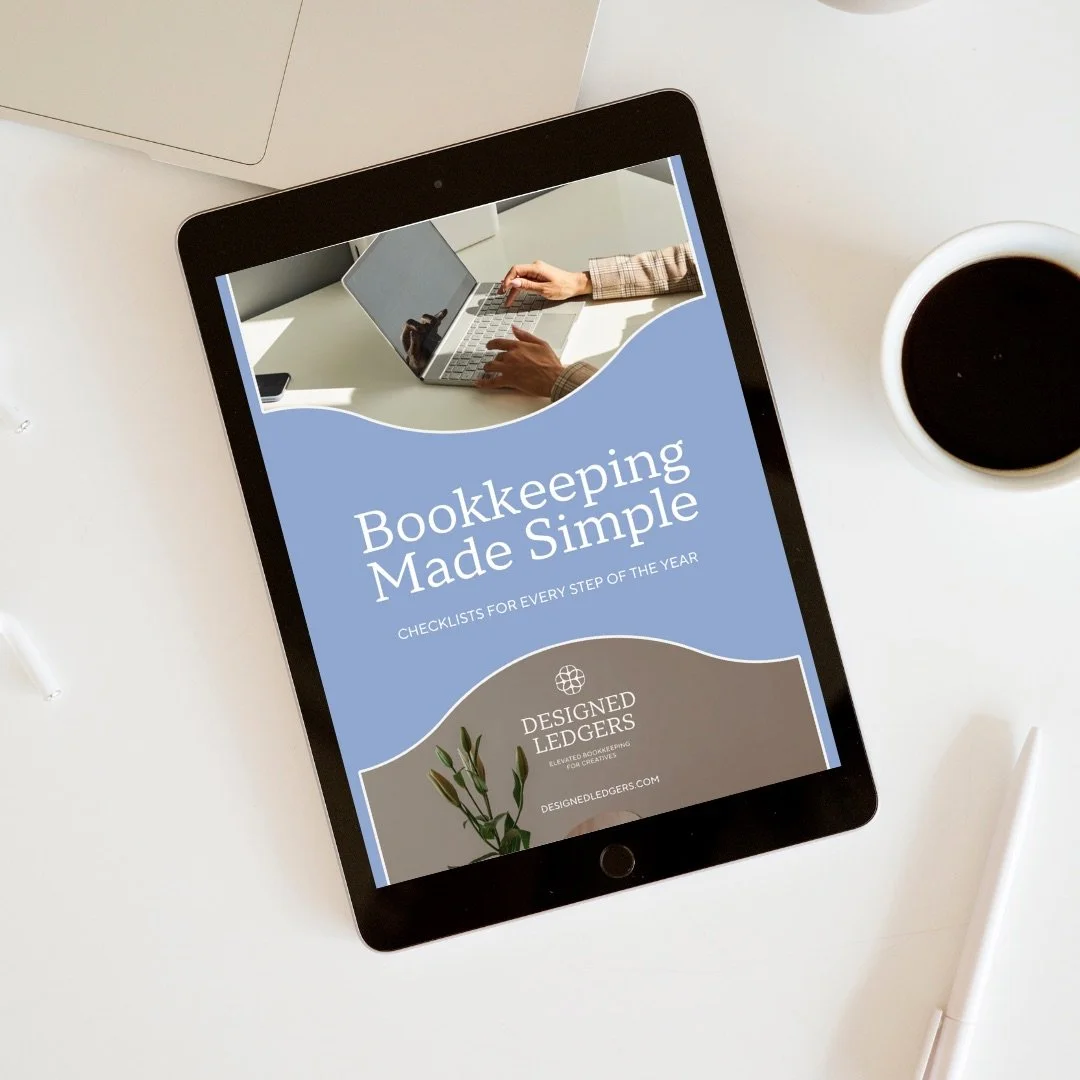
Bookkeeping Checklists for Every Season
Get the easy-to-follow checklists that help you feel a little more in control and a lot less overwhelmed when it comes to your numbers. Learn what to track and how to set up a system that works (without making it a full-time job!).
Continue Reading